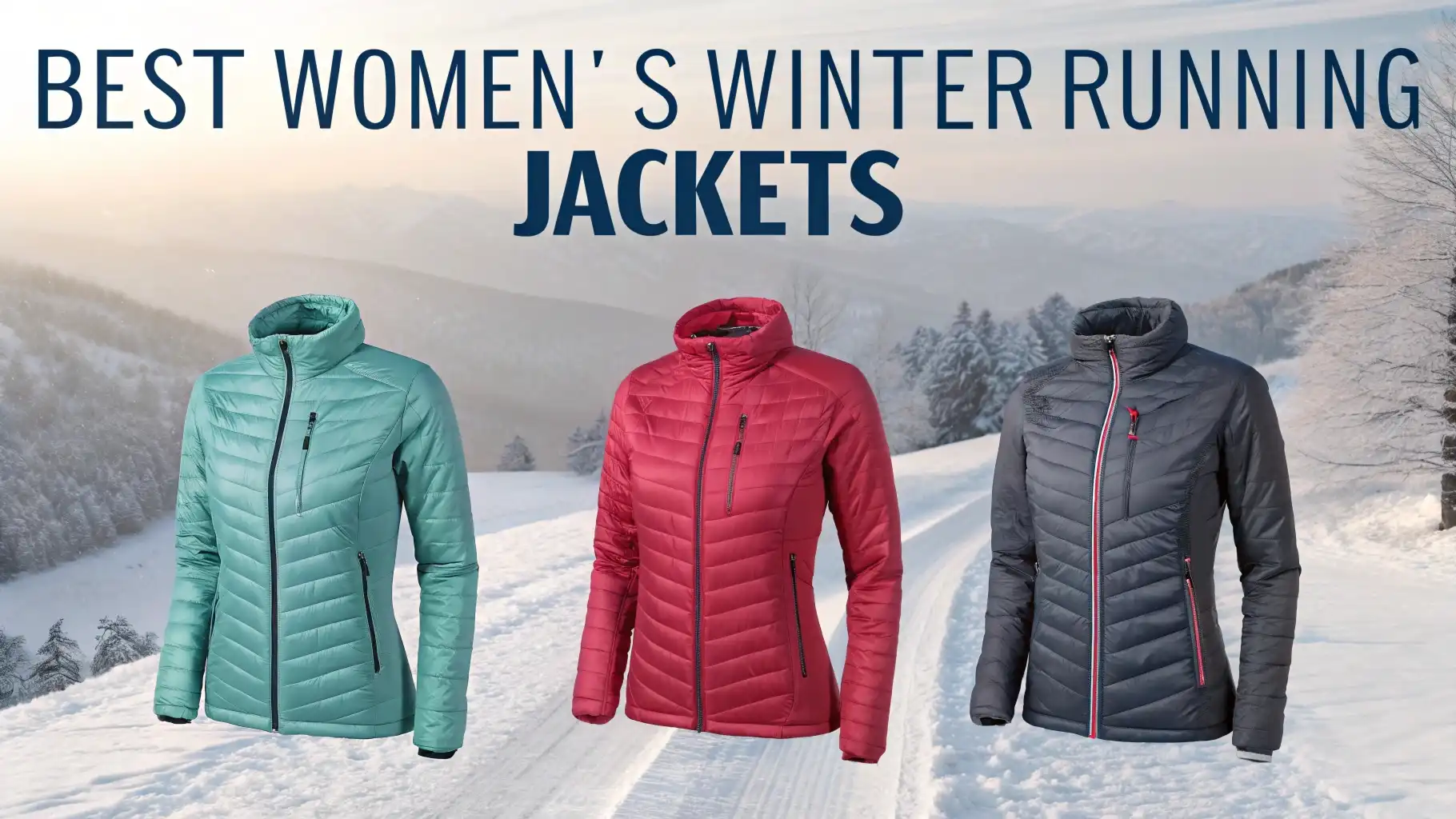
11 Best Women’s Winter Running Jackets for 2026-2026
Winter running does not have to mean freezing on the trails. The right jacket transforms cold morning runs from miserable to magical.
A quality winter running jacket keeps you warm without overheating. It blocks wind and rain while letting sweat escape. Finding that perfect balance makes all the difference between cutting runs short and enjoying every mile.
This guide breaks down the top 11 women’s winter running jackets available on Amazon right now. Each jacket offers something different for various conditions and budgets.
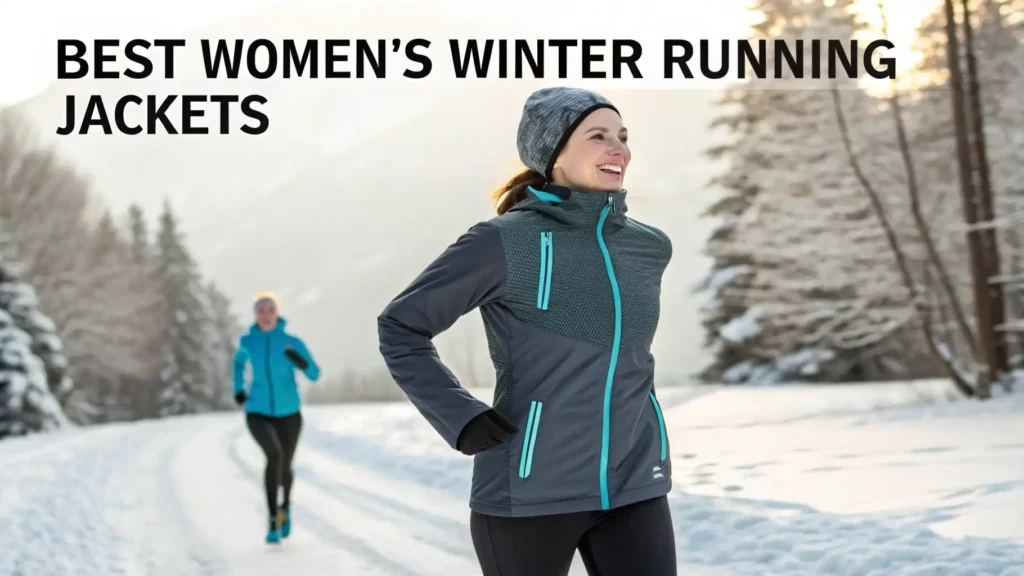
Key Takeaways
- Perfect Protection for Every Winter Runner: This collection features jackets that handle temperatures from mild 40°F mornings to brutal sub-zero conditions, giving you options no matter where you live or run.
- Budget-Friendly to Premium Options: Find excellent winter running jackets starting at just $35.99, proving you don’t need to spend a fortune for quality protection, though premium options up to $150 deliver advanced features.
- Essential Features That Matter: The best winter running jackets combine water resistance, windproof technology, breathability, and reflective elements to keep you safe, dry, and visible during those dark early morning or evening runs.
- Versatility Beyond Running: Many of these jackets work equally well for hiking, cycling, skiing, and everyday winter activities, making them smart investments that earn their closet space year-round.
- Smart Design Elements: Look for jackets with secure zip pockets for your phone and keys, adjustable hoods for changing conditions, and packable designs that stuff into their own pockets when the sun comes out mid-run.
Baleaf Women’s Winter Running Jacket

This Baleaf jacket delivers serious value for runners on a budget. The lightweight puffer design keeps you warm without adding bulk.
Water resistance protects against light rain and snow. Multiple zip pockets secure your phone, keys, and energy gels safely. The jacket packs down small enough to tie around your waist if you warm up mid-run.
Runners love how this jacket balances warmth and breathability. The quilted insulation traps heat close to your body while allowing moisture to escape. Reflective details on the sleeves and back panel increase visibility during early morning or evening runs.
The soft collar prevents chafing on longer distances. Available in multiple colors to match your running style.
Pros:
- Excellent value at under $50
- Water resistant fabric handles light precipitation
- Multiple secure zip pockets
- Lightweight and packable design
- Good reflective detailing for visibility
Cons:
- May not provide enough warmth for extreme cold
- Not fully waterproof for heavy rain
- Sizing runs slightly small for some runners
Women’s Fleece Lined Running Jacket with 6 Pockets

Six pockets make this jacket a storage powerhouse for runners. The fleece lining creates a cozy barrier against cold winds.
Water resistant exterior sheds moisture during unexpected weather changes. This budget-friendly option works great for temperatures between 30-50°F. The multiple pockets eliminate the need for a running belt or backpack.
The jacket features strategically placed pockets on the chest, sides, and interior. Store your phone, wallet, energy bars, and more without feeling weighed down.
The lightweight construction prevents overheating on tempo runs. Elastic cuffs and hem seal out cold air at key points. Machine washable for easy care after muddy trail runs.
Pros:
- Six functional pockets for maximum storage
- Fleece lining provides excellent warmth
- Very affordable price point
- Water resistant for light rain
- Easy to clean and maintain
Cons:
- Bulkier than some lightweight options
- Limited breathability during high-intensity runs
- Fleece may pill after extensive washing
Best Selling Fleece Running Jacket for Cold Weather

This Amazon bestseller earns its popularity through reliable performance. The thermal fleece construction handles cold temperatures beautifully.
Full zip design allows temperature adjustment on the go. Water resistant technology keeps you comfortable in drizzle or snow flurries. Over 1,100 positive reviews confirm this jacket works for serious runners.
The jacket combines thermal insulation with breathable panels under the arms. This smart design prevents the sweat buildup that makes you cold later. The athletic fit moves with your running stride without restriction. High collar protects your neck from biting wind. Reflective accents help drivers see you in low light conditions.
Pros:
- Best seller status backed by 1,100+ reviews
- Thermal fleece excellent for cold weather
- Water resistant finish
- Full zip for ventilation control
- Great balance of warmth and breathability
Cons:
- May be too warm for temperatures above 45°F
- Not suitable for heavy rain
- Some runners find the fit slightly boxy
Nike Women’s Essential Water-Repellent Running Jacket

Nike brings trusted quality to winter running with this essential jacket. The water-repellent technology keeps you dry without the stiffness of fully waterproof materials.
Ultra-lightweight construction means you barely notice you’re wearing it. Flocked mesh lining wicks sweat away from your skin efficiently. Reflective details cover nearly the entire jacket for maximum visibility.
This jacket exemplifies Nike’s attention to runner-specific details. The hood adjusts quickly even with gloves on. Zippered pockets secure valuables during interval work.
The sleek fit reduces wind resistance on fast runs. Multiple color options let you express your personal style. Machine washable fabric maintains performance wash after wash.
Pros:
- Trusted Nike quality and design
- 360-degree reflective details for safety
- Ultra-lightweight feel
- Water-repellent treatment
- Athletic fit reduces drag
Cons:
- Higher price point than budget options
- Limited insulation for extreme cold
- Sizing may run small
Columbia Women’s Arcadia II Waterproof Jacket

Columbia’s Arcadia II stands out with true waterproof protection. The Omni-Tech technology completely seals out rain while allowing internal moisture to escape.
This jacket handles serious downpours that would soak through water-resistant options. The packable hood stows away when not needed. Over 8,400 reviews give this jacket excellent ratings.
Runners appreciate the versatile design that transitions from trails to everyday wear. The adjustable cuffs and hem customize the fit to your body. Zippered hand pockets keep essentials dry even in heavy rain. The jacket packs into its own pocket for easy carrying. Available in numerous colors to suit every preference.
Pros:
- Fully waterproof for heavy rain
- Omni-Tech breathable technology
- Packable design with hood
- 8,400+ positive reviews
- Versatile for running and casual wear
Cons:
- Less breathable than lighter jackets during intense runs
- Slightly heavier construction
- May be too warm for mild winter days
Under Armour Women’s ColdGear Infrared Shield Jacket

Under Armour’s ColdGear Infrared technology uses a special lining that retains body heat. This innovative approach keeps you warmer without extra bulk.
The soft shell construction blocks wind effectively. Water resistance handles light to moderate precipitation. The jacket maintains warmth even when you slow down to a walk.
The infrared lining reflects your body heat back to you. This means you stay warm with less insulation weight. The stretchy fabric moves naturally with your running motion. Secure zip pockets protect your phone and cards. The jacket works equally well for running, hiking, or winter cycling.
Pros:
- ColdGear Infrared technology for efficient warmth
- Soft shell blocks wind effectively
- Lightweight yet warm construction
- Water resistant finish
- Multi-sport versatility
Cons:
- Premium price point
- Not fully waterproof
- May run small in sizing
The North Face Women’s Junction Insulated Jacket

The North Face delivers premium quality with this insulated winter jacket. Synthetic insulation provides reliable warmth even when damp. Water repellent finish sheds snow and light rain effectively. Zip hand pockets offer secure storage for essentials. The jacket comes in standard and plus sizes for better fit options.
This jacket excels in seriously cold conditions where other jackets fall short. The insulation distributes evenly to eliminate cold spots. Elastic cuffs seal against your wrists to trap warmth. The longer cut protects your lower back and hips from wind. Durable construction stands up to years of winter training.
Pros:
- Excellent insulation for extreme cold
- Water repellent technology
- Available in plus sizes
- Durable North Face construction
- Secure zip pockets
Cons:
- Higher price point around $100
- Heavier than lightweight options
- May be too warm for mild winter climates
Women’s Cycling Puffer Jacket for Winter Running

This Amazon’s Choice puffer jacket works brilliantly for multiple winter sports. The lightweight insulation keeps you warm without restricting movement.
Water resistant fabric protects against snow and drizzle. Zip pockets secure your valuables during active pursuits. The versatile design transitions from running to skiing to hiking.
The jacket features strategic insulation placement that focuses warmth on your core. Your arms get lighter coverage to prevent overheating during arm swing.
The athletic cut fits close without being tight. Reflective elements enhance visibility in winter darkness. The affordable price makes it easy to add to your winter gear collection.
Pros:
- Amazon’s Choice designation
- Multi-sport versatility
- Strategic insulation placement
- Water resistant construction
- Great value for the features
Cons:
- Limited extreme cold protection
- Some users report sizing inconsistencies
- Fewer color options
Women’s Running Winter Jacket with Hood

The adjustable hood on this jacket provides customizable protection. Hybrid construction combines insulated panels with stretchy, breathable sections.
This smart design keeps your core warm while preventing sweat buildup. Lightweight puffer sections trap heat efficiently. Zip pockets offer secure storage for phones and keys.
Runners love the flexible hood design that adjusts to fit over hats or ponytails. The hybrid construction means you get warmth exactly where you need it.
Stretchy side panels allow full range of motion during running. The jacket packs down reasonably small for carrying. Multiple color options help you find your perfect match.
Pros:
- Adjustable hood for versatile protection
- Hybrid design optimizes warmth and breathability
- Lightweight and packable
- Secure zip pockets
- Good value at under $50
Cons:
- Hood may not fit over larger winter hats
- Not fully waterproof
- Hybrid design may not suit extreme cold
The North Face Women’s Apex Bionic 3 Jacket

The Apex Bionic 3 represents premium soft shell technology at its finest. Wind-resistant fabric blocks cold gusts effectively. Water resistant finish repels light precipitation.
The stretchy construction moves naturally with your body. This jacket works equally well for running, hiking, and everyday winter wear.
The soft shell design offers superior breathability compared to hard shell jackets. Internal fleece provides warmth without bulk.
The athletic fit flatters while allowing full movement. Secure zip pockets protect valuables during activity. Durable construction justifies the premium price with years of reliable performance.
Pros:
- Premium North Face quality
- Excellent wind resistance
- Superior breathability
- Stretchy, comfortable fit
- Versatile for multiple activities
Cons:
- High price point around $120
- Not suitable for heavy rain
- May be too breathable for extreme cold
Columbia Women’s Kruser Ridge III Softshell Jacket

Columbia’s Kruser Ridge III combines softshell comfort with practical features. Wind-resistant technology blocks cold air effectively. Water resistant finish handles light rain and snow. The stretchy fabric allows unrestricted movement during runs. Zippered pockets secure essentials safely.
This jacket excels as a versatile winter layer for various conditions. The soft shell construction breathes better than insulated jackets during intense runs. Adjustable hem and cuffs customize the fit. The jacket works great for temperatures between 30-50°F. Easy care instructions make maintenance simple.
Pros:
- Softshell comfort and flexibility
- Wind and water resistant
- Good breathability
- Adjustable fit features
- Versatile temperature range
Cons:
- Limited insulation for extreme cold
- Not fully waterproof
- May need layering in very cold conditions
Understanding Winter Running Jacket Features
Choosing the right winter running jacket requires understanding key features. Water resistance differs from waterproof protection. Water resistant jackets shed light rain and snow but eventually soak through. Waterproof jackets use sealed seams and special membranes to block all moisture. Most runners find water resistance sufficient for typical winter conditions.
Breathability matters just as much as warmth. Your body generates significant heat during running. A jacket that traps all moisture inside makes you sweaty and eventually cold. Look for jackets with breathable panels or moisture-wicking linings. Ventilation zips under the arms help regulate temperature on varied terrain.
Reflective elements become critical during winter’s short days. Many runners train in darkness before work or after sunset. Jackets with 360-degree reflectivity help drivers see you from all angles. Some jackets use reflective thread woven throughout the fabric. Others feature reflective strips or logos strategically placed.
Layering Strategies for Winter Running
Winter running success depends on smart layering. Your jacket forms the outer protective shell in a three-layer system. Start with a moisture-wicking base layer next to your skin. Add an insulating mid-layer for extra cold days. Top with your running jacket to block wind and precipitation.
The right combination varies with temperature and conditions. For 40-50°F runs, a base layer plus jacket often suffices. Drop to 30-40°F and add a light fleece mid-layer. Below 30°F requires all three layers plus accessories. Remember that you should feel slightly cool at the start. Your body warms up within the first mile.
Avoid cotton at all costs in your layering system. Cotton absorbs sweat and stays wet, pulling heat from your body. Choose synthetic or merino wool fabrics that wick moisture away. Your jacket should accommodate layers underneath without restricting movement. Test your layering system on shorter runs before tackling long distances.
How to Choose the Right Size
Proper fit makes the difference between comfortable running and constant adjusting. Winter running jackets should fit slightly loose to accommodate base layers underneath. You need room to move your arms naturally through your running stride. Check that you can zip the jacket comfortably over your thickest mid-layer.
Pay attention to sleeve length when trying jackets. Sleeves should cover your wrists even when your arms swing forward. Short sleeves create gaps where cold air sneaks in. Some jackets offer thumb holes that keep sleeves in place. These work great for runners who struggle with sliding sleeves.
Read size reviews carefully before purchasing online. Many running jackets run small compared to regular clothing sizes. Some brands size large. Customer reviews often mention sizing issues specific to each jacket. When between sizes, size up for winter jackets to ensure layering room.
Caring for Your Winter Running Jacket
Proper care extends the life of your investment. Wash your running jacket regularly to maintain its technical properties. Dirt and body oils reduce water resistance and breathability. Use technical fabric detergent rather than regular laundry soap. Regular detergent leaves residue that clogs breathable membranes.
Follow care instructions precisely for best results. Most water resistant jackets need periodic retreatment to maintain their protective finish. Spray-on or wash-in treatments restore water repellency. Apply these products after every few washes or when you notice water soaking in rather than beading up.
Never use fabric softener on technical running jackets. Softener coats fabrics and destroys their moisture-wicking and breathable properties. Avoid high heat in the dryer as it can damage technical fabrics. Air drying or low tumble dry settings work best. Store jackets hung up or loosely folded to maintain their shape and loft.
Frequently Asked Questions
What temperature range works best for winter running jackets?
Winter running jackets typically perform best between 20-50°F. Lighter jackets handle 40-50°F with just a base layer underneath. Insulated jackets work for 20-40°F conditions. Below 20°F requires serious insulation or multiple layers. Above 50°F, you probably need just a long-sleeve shirt or lightweight windbreaker instead of a full jacket.
Do I really need a jacket specifically designed for running?
Yes, running-specific jackets make a significant difference. Regular winter jackets trap too much heat and sweat during exercise. They restrict arm movement needed for running form. Running jackets use breathable fabrics that release moisture while blocking wind. They feature athletic cuts that move with your stride. The investment pays off in comfort and performance.
How do I prevent overheating in a winter running jacket?
Start your run feeling slightly cool rather than warm. Your body temperature rises significantly within the first mile. Choose jackets with ventilation zips under the arms or along the sides. Open these vents when you warm up. Layer smartly so you can remove your mid-layer if needed. Select jackets with good breathability ratings for your typical pace and intensity.
Can I wear these jackets for activities besides running?
Absolutely! Most winter running jackets work beautifully for hiking, cycling, skiing, and everyday wear. The athletic fit and technical fabrics perform well across various activities. Running jackets often cost less than sport-specific jackets while offering similar features. Many runners choose versatile designs that earn their keep across multiple winter pursuits.
What makes a jacket suitable for running in rain versus snow?
Rain requires waterproof protection with sealed seams to block liquid water. Snow needs water resistance and wind protection since snow brushes off more easily than rain soaks in. Fully waterproof jackets often sacrifice breathability, making them less ideal for running. Water-resistant jackets handle snow and light rain while breathing better during exercise. Consider your typical winter precipitation when choosing.
How important are reflective features on winter running jackets?
Reflective features become critically important during winter’s limited daylight. Many runners train in darkness before work or after sunset. 360-degree reflectivity helps drivers see you from all directions. Look for jackets with reflective details on front, back, and sleeves. Some jackets use reflective thread throughout the entire fabric for maximum visibility. Never compromise on visibility for winter running safety.