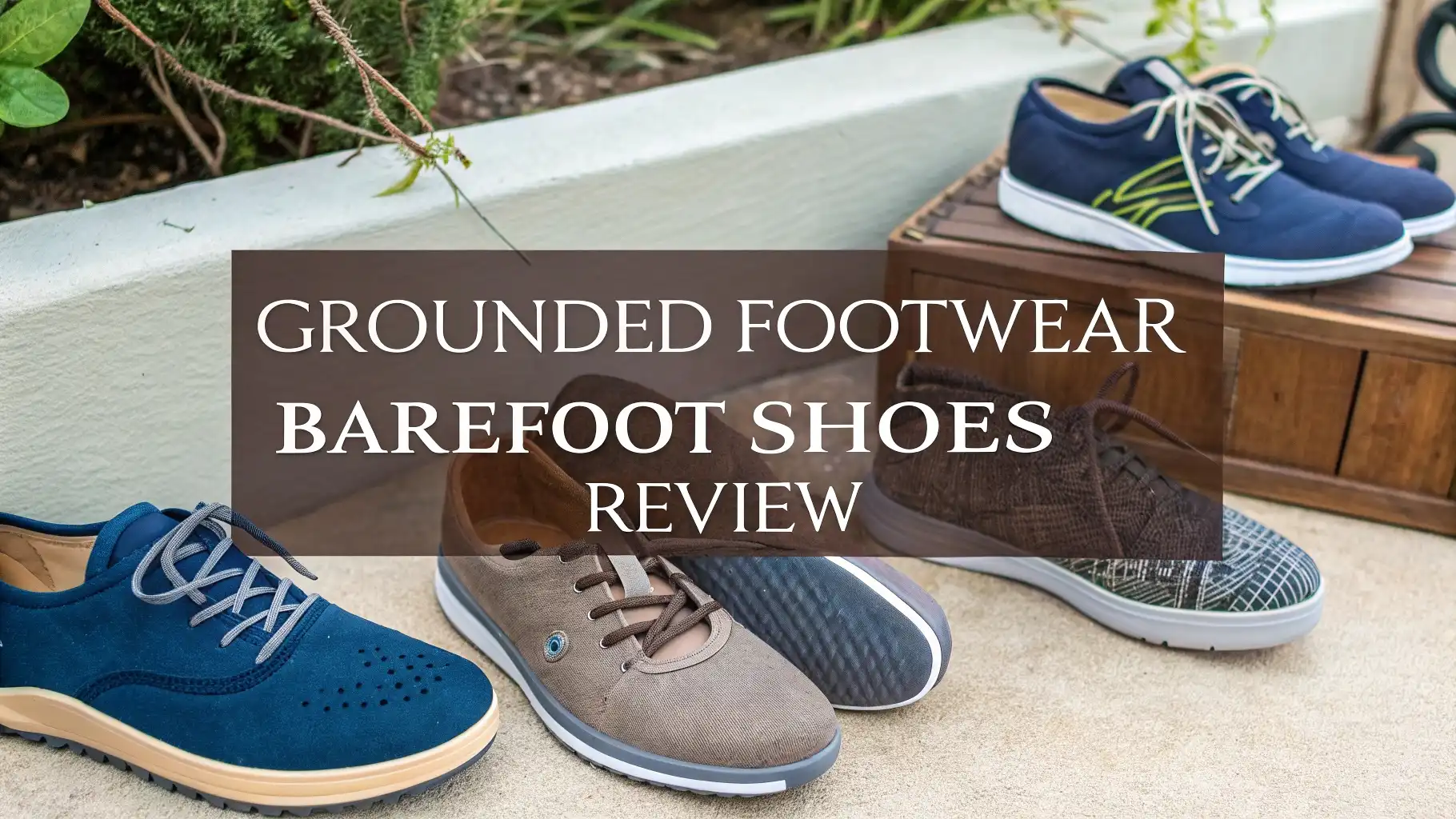
Grounded Footwear Barefoot Shoes Review In 2026
Your feet deserve better than being cramped in traditional shoes all day long. You walk thousands of steps every single day, yet most people ignore their foot health until pain strikes.
Barefoot shoes are changing how we think about footwear, and grounded footwear options are leading this revolution.
This complete review explores the best barefoot shoes available on Amazon right now. You will discover how these minimalist shoes can transform your walking experience.

In a Nutshell:
- Wide toe box design gives your toes room to spread naturally, reducing bunion formation and improving balance during every step you take
- Zero drop soles keep your heel and forefoot at the same height, promoting better posture alignment and reducing stress on knees and lower back
- Minimalist construction strengthens foot muscles naturally over time, helping prevent common issues like plantar fasciitis and flat feet problems
- Grounding technology in select models may help reduce inflammation and improve blood circulation through direct earth connection
- Lightweight materials make these shoes comfortable for all-day wear while the flexible design moves naturally with your foot motion
- Affordable options on Amazon start under $30, making this healthy footwear choice accessible to everyone who wants better foot health


Understanding Barefoot Shoe Technology
Barefoot shoes work differently than traditional athletic footwear. These shoes mimic walking without any shoes at all while still protecting your feet from sharp objects and rough surfaces.
The design philosophy focuses on natural foot movement. Your feet evolved over millions of years to work perfectly without cushioned soles or elevated heels. Traditional shoes actually weaken foot muscles by doing all the work for you. Barefoot footwear reverses this problem by letting your feet function as nature intended.
Research shows that barefoot shoes can improve ankle mobility and enhance balance. The shoes activate small stabilizing muscles in your feet that regular shoes suppress. Over time, this leads to stronger arches, better posture, and reduced joint pain throughout your entire body.
Barefoot Shoes Men Women Minimalist Cross Training
These versatile barefoot shoes work perfectly for both men and women who want minimalist footwear for multiple activities. The cross-training design handles gym workouts, hiking trails, and casual walking with equal effectiveness.
The zero drop sole keeps your body in natural alignment during weightlifting sessions. Your feet stay flat and stable, improving your lifting form and reducing injury risk. The wide toe box gives your toes plenty of room to splay during box jumps and agility drills. Many users report feeling more grounded and connected to the floor during their workouts.
The shoes feature a quick-dry construction that works well for water activities too. You can wear them for creek crossings during hikes or beach walks without worry. The rubber outsole provides decent traction on various surfaces from gym floors to dirt trails. At around $26, these shoes offer excellent value for anyone exploring barefoot footwear for the first time. The 4.2-star rating from over 3,000 reviews confirms that real customers find these shoes comfortable and durable for everyday activities.
Wide Toe Box Barefoot Shoes for Enhanced Comfort

The wide toe box design represents the most important feature of any barefoot shoe. Your toes need space to spread naturally with each step you take, yet traditional shoes squeeze them into narrow pointed shapes.
This women’s minimalist sneaker provides exceptional toe room that allows natural foot splay. The design helps prevent bunions, corns, and other painful deformities caused by compressed toes. When your toes spread properly, your balance improves dramatically because you have a wider, more stable base.
The fashion-forward design means you can wear these shoes for work, casual outings, or exercise without looking like you’re wearing specialty footwear. The shoes come in multiple colors to match your personal style. The zero drop sole promotes better posture by aligning your skeleton naturally from feet to spine.
With over 8,000 customer reviews and a 4.3-star rating, these shoes have proven their quality. Customers particularly praise the comfortable fit and improved foot health they experience after switching from traditional narrow shoes. Many report that foot pain decreased within weeks of wearing these barefoot shoes regularly. The price point around $42 makes them affordable for most budgets.
Men’s Minimalist Trail Running Shoes

Trail running demands shoes that protect your feet while maintaining ground connection. These minimalist trail runners achieve that perfect balance with their thoughtful design features.
The optimal barefoot feel comes from the thin yet protective sole that lets you sense trail conditions. This sensory feedback helps you adjust your stride naturally, reducing stumble risk on uneven terrain. The wide toe box prevents black toenails and blisters during long trail runs.
The rubber outsole features aggressive tread patterns that grip loose dirt, wet rocks, and muddy paths effectively. The shoes drain quickly if you step in puddles or cross shallow streams. The lightweight construction means less energy wasted lifting heavy shoes with each stride.
Over 11,400 reviews give these shoes a solid 4.4-star rating. Trail runners appreciate the natural running form these shoes encourage. Many customers report that their calves and feet felt sore initially as muscles strengthened, but this discomfort passed quickly. The shoes helped them develop a more efficient mid-foot strike pattern instead of heel striking. Priced around $40, these trail runners deliver professional performance without premium pricing.
Top 3 Alternatives for Barefoot Minimalist Shoes


Zero Drop Technology Explained
Zero drop means your heel sits at exactly the same height as your forefoot. This contrasts sharply with traditional shoes that elevate your heel by 10mm or more.
The elevated heel in regular shoes forces your body into unnatural positions. Your pelvis tilts forward, your lower back arches excessively, and your knees experience increased stress. This misalignment contributes to chronic pain in your back, hips, and knees over years of wear.
Zero drop shoes restore natural alignment from the ground up. Your skeleton stacks properly when your feet sit flat on the ground. This reduces stress on joints throughout your body and promotes better posture automatically. Your core muscles engage properly to support your spine when standing or walking.
The transition to zero drop requires patience. Your calf muscles and Achilles tendons need time to adapt to the new position. Start by wearing zero drop shoes for short periods and gradually increase duration. Most people adapt fully within 4-6 weeks. The long-term benefits include stronger feet, improved balance, and reduced chronic pain that make the adjustment period worthwhile.
Barefoot Water Shoes for Beach and Pool

Water activities need specialized footwear that dries quickly and provides traction on slippery surfaces. These barefoot water shoes deliver both features while maintaining minimalist design principles.
The quick-dry material prevents that soggy shoe feeling after swimming or wading. The shoes use drainage holes that let water escape rapidly while keeping sand and pebbles out. The thin sole protects your feet from sharp shells, hot sand, and rough pool decking without sacrificing ground feel.
The shoes work excellently for multiple water sports including swimming, kayaking, surfing, and river hiking. The secure fit means they stay on your feet even in strong currents or waves. The flexible construction allows natural foot movement while swimming, unlike rigid water shoes that feel clunky.
Over 14,500 reviews give these water shoes a 4.6-star rating. Customers love the versatile performance across different activities. Many use them for beach vacations, water parks, and boat trips. The affordable price around $18 makes them easy to justify for occasional water activities. Parents appreciate that the whole family can get properly fitted water shoes without breaking the budget.
Hiking Barefoot Shoes for Outdoor Adventures

Hiking barefoot shoes combine trail protection with natural movement freedom. These shoes handle rough terrain while keeping your feet connected to the earth beneath you.
The wide toe box proves especially valuable during long hikes when feet swell naturally. Your toes never feel cramped even after hours on the trail. The barefoot design strengthens your feet over time, building arches and activating stabilizing muscles that regular hiking boots suppress.
The quick-dry construction works perfectly for creek crossings and rainy weather. The breathable upper keeps feet comfortable during hot summer hikes. The rubber outsole provides reliable traction on rocks, roots, and muddy sections without the heavy weight of traditional hiking boots.
Amazon’s Choice designation and 4.5-star rating from 1,400 reviews confirm this shoe’s quality. Hikers report feeling more agile and balanced on technical terrain. The ground feel helps them place their feet more precisely on uneven surfaces. At $18, these hiking barefoot shoes cost less than most regular sneakers while delivering superior trail performance.
Benefits for People with Neuropathy
Barefoot shoes provide unique advantages for people dealing with neuropathy and foot sensitivity issues. The wide toe box eliminates pressure points that cause pain and discomfort.
The minimalist design allows better sensory feedback from the ground. This helps people with reduced sensation maintain better balance and avoid stumbles. The flexible sole moves naturally with each step, reducing stress on joints already compromised by nerve damage.
Many neuropathy patients report that barefoot shoes help them walk more confidently. The grounding connection some models provide may reduce inflammation and improve circulation. The lightweight construction means less energy needed for walking, which matters for people dealing with fatigue from chronic conditions.
Medical professionals increasingly recommend barefoot shoes for diabetic patients who need to protect their feet while maintaining mobility. The breathable materials reduce moisture buildup that can cause skin problems. The non-slip soles provide security on various surfaces, reducing fall risk for those with balance issues related to neuropathy.
Barefoot Shoes for Gym and Weightlifting
Weightlifting demands shoes that provide a stable platform without cushioning that absorbs force. These barefoot gym shoes deliver exactly that foundation.
The zero drop design keeps your feet flat during squats, deadlifts, and overhead presses. This proper positioning maximizes power transfer from the ground through your entire body. You’ll feel more stable and balanced during heavy lifts compared to wearing cushioned athletic shoes.
The wide toe box allows your toes to spread and grip the floor during lifts. This creates a more stable base that improves your lifting form. The thin sole provides excellent ground feel so you can sense your foot position without looking down. This helps you maintain proper alignment throughout your workout.
Cross-trainers appreciate how these shoes transition smoothly between weightlifting and cardio exercises. The flexible design works for box jumps, burpees, and agility drills. The breathable construction keeps feet comfortable during intense training sessions. With a 4.4-star rating from 469 reviews and a price around $43, these specialized barefoot gym shoes offer professional-grade performance.
Quick Dry Athletic Barefoot Footwear

Athletic activities generate sweat that can make shoes uncomfortable quickly. Quick-dry barefoot shoes solve this problem with smart material choices and ventilation design.
The breathable mesh upper allows constant air circulation that keeps feet dry during workouts. The drainage system evacuates moisture rapidly, preventing that soggy feeling. The materials dry completely within hours even after getting thoroughly soaked.
These shoes excel for multiple sports including swimming, beach volleyball, water aerobics, and paddle boarding. The non-slip sole provides traction on wet surfaces where regular shoes become dangerously slippery. The flexible design allows natural foot movement during dynamic athletic activities.
Over 12,700 reviews with a 4.5-star rating demonstrate proven quality. Athletes appreciate the versatile performance across different environments from gym to beach to pool. The shoes pack small in gym bags or travel luggage. At $27, they represent excellent value for anyone needing footwear that handles both land and water activities effectively.
Comfortable Lightweight Design Features
Barefoot shoes typically weigh just 6-8 ounces per shoe compared to 12-16 ounces for traditional athletic shoes. This weight reduction decreases energy expenditure during walking and running significantly.
The lightweight construction comes from minimalist design philosophy. Barefoot shoes eliminate unnecessary padding, heavy support structures, and thick soles. What remains is just enough material to protect your feet while allowing natural movement.
The comfortable fit comes from flexible materials that adapt to your unique foot shape. Traditional shoes force your feet into rigid molds, but barefoot shoes work with your natural anatomy. The soft uppers prevent blisters and hot spots even during break-in periods.
Many users report that barefoot shoes feel like wearing socks with just enough protection. You barely notice them on your feet, which creates a liberating sensation compared to heavy traditional shoes. The reduced weight also means less strain on ankles, knees, and hips over the course of a day.
Making the Transition to Barefoot Shoes
Switching to barefoot shoes requires a gradual adjustment period. Your feet have adapted to traditional shoes over many years, and muscles have weakened from lack of use.
Start by wearing barefoot shoes for just 30 minutes daily during the first week. Gradually increase wearing time by 15-30 minutes each week. This slow progression allows your feet to strengthen without excessive soreness or injury risk.
Expect some muscle soreness in your calves, arches, and ankles during the first few weeks. This indicates that dormant muscles are activating and strengthening. The discomfort should feel like normal exercise soreness, not sharp pain. If you experience pain, reduce wearing time and progress more slowly.
Your walking and running form will naturally evolve as you adapt to barefoot shoes. You’ll develop a mid-foot or forefoot strike instead of heel striking. This change reduces impact forces and feels smoother once you adapt. Many people find walking and running more enjoyable after completing the transition to barefoot footwear.
Consider starting with shoes that have slightly thicker soles and gradually moving to more minimalist options. This staged approach makes the transition easier for most people. Be patient with the process and trust that your feet will strengthen over time.
Frequently Asked Questions
Are barefoot shoes really better for your feet than traditional shoes?
Barefoot shoes allow your feet to function naturally, which strengthens muscles and improves balance over time. Traditional shoes with thick cushioning and narrow toe boxes can weaken foot muscles and cause deformities. Most people experience better foot health after transitioning to barefoot shoes, though the adjustment period requires patience. The key is making a gradual transition and listening to your body’s signals.
How long does it take to adjust to wearing barefoot shoes?
Most people need 4-8 weeks to fully adapt to barefoot shoes when following a gradual transition plan. Start with just 30 minutes daily and slowly increase wearing time. Your calves and arches will feel sore initially as dormant muscles strengthen. This soreness should decrease as your feet adapt. Some people transition faster while others need several months, depending on current foot strength and flexibility.
Can barefoot shoes help with bunions and foot pain?
The wide toe box in barefoot shoes prevents the toe compression that causes or worsens bunions. Many people report reduced bunion pain after switching to barefoot footwear. The shoes won’t reverse existing bunions but can stop progression and reduce discomfort. People with plantar fasciitis often find relief as their foot muscles strengthen. However, consult a podiatrist for severe foot problems before making major footwear changes.
Are barefoot shoes suitable for running and high impact activities?
Yes, but you must transition gradually. Start with walking, then progress to short runs once your feet adapt. Barefoot shoes encourage a natural mid-foot strike that reduces impact forces compared to heel striking. Many runners report fewer injuries after transitioning. However, the adaptation period is crucial. Rushing into long runs before your feet strengthen increases injury risk significantly.
Do I need to wear socks with barefoot shoes?
You can wear barefoot shoes with or without socks based on personal preference. Many people enjoy the barefoot feel of wearing them sockless. If you choose no socks, look for barefoot shoes with antimicrobial linings that resist odor. Moisture-wicking socks work well if you prefer wearing them. Avoid thick cotton socks that bunch up and reduce the ground feel that makes barefoot shoes beneficial.
What activities work best with barefoot shoes?
Barefoot shoes excel at gym workouts, hiking, walking, water sports, yoga, and casual everyday wear. They work particularly well for weightlifting because the flat stable platform improves lifting form. Trail running and hiking benefit from the enhanced ground feel and natural foot movement. Water activities like kayaking and beach walking are perfect for quick-dry barefoot shoes. Most daily activities actually benefit from barefoot footwear once you complete the transition period.