Redback Boots Review: Does It Really Save Time In 2026?
Looking for work boots that can handle anything you throw at them? You’ve probably heard the name Redback floating around job sites and workshops.
These Australian-made boots have built a solid reputation over decades, and people keep coming back to them for good reasons. But are they worth your hard-earned money in 2026?
This review will walk you through everything you need to know about Redback boots. We’ll cover what makes them special, which models stand out, and whether they deliver on their promises.
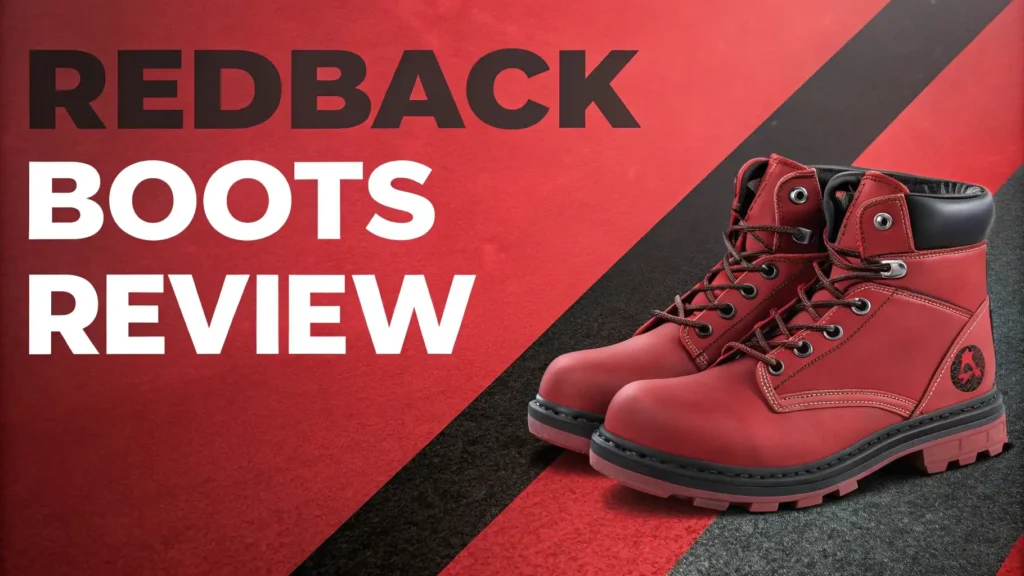
Key Takeaways:
- 100% Australian craftsmanship makes these boots stand apart from mass-produced alternatives. The company sources premium full-grain leather from the tightest grain sections of hides, giving you boots that resist wear and tear better than most competitors.
- The anatomic sole technology is a game changer for anyone who spends long hours on their feet. This unique design cradles your foot to reduce arch sagging and prevents the foot strain that leads to leg and back pain by the end of your shift.
- Slip-resistant TPU soles provide reliable grip on various surfaces. Whether you’re walking on wet floors, oily workshop surfaces, or uneven terrain, these boots keep you stable and safe throughout your workday.
- Easy slip-on design with double gore elastic sides means you can get your boots on and off quickly. No more struggling with laces when you’re in a hurry or your hands are dirty from work.
- Steel toe and soft toe options give you flexibility based on your workplace requirements. You get ASTM F2413-11 certified protection in steel toe versions without sacrificing the comfort that makes these boots wearable all day long.
- Expected lifespan of 2-7 years with proper care makes these boots a solid investment. The durability depends on how you use and maintain them, but many workers report wearing the same pair for multiple years without major issues.

Redback UBBK Easy Escape: The Classic Choice
The Easy Escape model represents everything Redback does well. This boot features full-grain black leather construction that breaks in quickly without the painful adjustment period many work boots require. The leather comes from premium sources, specifically chosen for strength and durability.
The slip-on design works perfectly for busy professionals who need to move fast. The double gore elastic sides stretch to accommodate your foot, then snap back into place for a secure fit. You’ll appreciate this feature when you’re rushing to get ready in the morning or need to slip your boots off quickly at the end of a long day.
The anatomic sole provides exceptional support for your feet and lower body. Unlike traditional flat soles that let your arches sag over time, this design keeps your feet properly aligned. Workers who switch to Redback often report less foot fatigue and fewer aches in their legs and back.
What makes this boot special is the air-cushioned sole technology. You get that bouncy, lighter-than-air feeling underfoot that makes standing and walking more comfortable. This feature becomes especially noticeable during long shifts when other boots would leave your feet feeling heavy and tired.
Redback Easy Escape Steel Toe: Safety Meets Comfort

When your workplace requires toe protection, this steel toe version delivers without compromise. The boot includes an ASTM F2413-11 certified steel toe cap housed in an accommodating toe box. You get the safety certification you need for compliance without the cramped, uncomfortable fit that cheaper steel toe boots often force on you.
The steel toe doesn’t add excessive weight like some protective boots do. Redback engineers designed this boot to maintain the lightweight feel of their soft toe models while still providing crush and impact protection. Your feet stay protected without feeling like you’re wearing concrete blocks.
Many users praise how the toe box provides enough room for natural toe movement. Steel toe boots often squeeze your toes into unnatural positions, but Redback’s design gives you space to wiggle and flex throughout the day. This attention to comfort details separates good boots from great ones.
The same premium leather and anatomic sole from the soft toe version carry over to this model. You don’t sacrifice any comfort or support features just because you need steel toe protection. This makes the Easy Escape Steel Toe ideal for construction workers, mechanics, and warehouse staff who need all-day comfort with safety compliance.
Top 3 Alternatives to Redback Boots


Full-Grain Leather: Built to Last
Redback doesn’t mess around with cheap materials. The company sources industrial-grade premium full-grain leather from the tightest grain sections of hides. This part of the leather contains the strongest, most durable fibers nature produces.
Full-grain leather means you’re getting the complete outer layer of the hide with all its natural strength intact. Many cheaper boots use corrected grain or split leather that has been sanded down and processed. These treatments weaken the leather and reduce its lifespan significantly.
The leather starts stiff but breaks in quickly according to most users. You’ll need to wear the boots for a few days to let the leather conform to your foot shape. After this short break-in period, the leather becomes supple and comfortable while maintaining its protective qualities.
Over time, the leather develops a rich patina that shows the boots’ character. This natural aging process doesn’t weaken the material. Instead, properly maintained full-grain leather actually becomes more water-resistant and durable as the natural oils work into the fibers.
Anatomic Sole Technology: Support That Works
Traditional boot soles lie flat under your feet. This design might seem fine at first, but it lets your arches collapse and sag during long periods of standing or walking. The result? Foot pain, leg aches, and lower back problems that get worse over time.
Redback’s anatomic sole cradles your foot in a supportive curve that maintains proper arch support. This design keeps your foot in a neutral position that reduces strain on muscles, tendons, and joints throughout your lower body.
The air-cushioned construction adds another layer of comfort. Each step compresses the air pockets in the sole, then releases that energy to propel you forward. This creates a spring in your step that makes walking less tiring even on hard concrete floors.
Workers who spend entire shifts on their feet notice the biggest difference. The anatomic sole helps prevent the accumulated fatigue that makes the last hours of your workday miserable. Your feet, legs, and back stay fresher longer, which means you have more energy left when you clock out.
Slip Resistance: Stay Safe on Any Surface
The TPU (Thermoplastic Polyurethane) outsoles on Redback boots provide excellent grip across different work environments. This material resists oils, chemicals, and water better than traditional rubber compounds. You get reliable traction whether you’re walking through a wet shop floor or navigating greasy equipment areas.
The tread pattern channels liquids away from the contact surface. This design prevents hydroplaning on wet floors and maintains grip even when you’re working in challenging conditions. Many users specifically mention the confidence they feel walking on surfaces that would be treacherous in regular footwear.
Slip resistance matters for more than just avoiding embarrassing falls. Workplace injuries from slips and falls can end careers and cause long-term health problems. Boots with proven slip-resistant soles reduce your risk significantly, especially if you work in environments with spills, moisture, or smooth flooring.
The outsoles also resist abrasion and wear remarkably well. Even after months of daily use on rough surfaces, the tread pattern stays deep and effective. This durability means your boots maintain their safety features throughout their entire lifespan.
Sizing and Fit: What You Need to Know
Redback boots generally run true to size, but they tend toward a slightly larger fit compared to some brands. Most experts recommend starting with your regular shoe size and considering going down half a size if you’re between sizes. This prevents the loose fit that can cause blisters and hot spots.
The elastic gore sides provide some adjustment range in the fit. If your feet swell during long work shifts, which many people’s feet do, this stretch accommodation keeps the boots comfortable throughout the day. The elastic expands to handle the swelling, then contracts when your feet return to normal size.
Width-wise, these boots work well for average to slightly wide feet. People with very narrow feet sometimes report needing to add extra insoles for a snugger fit. Conversely, those with extra wide feet might find the boots a bit tight across the instep until the leather breaks in completely.
Try the boots on at the end of the day when your feet are at their largest if possible. Walk around in them for several minutes to check for any pressure points or rubbing spots. Pay special attention to heel slip, which can cause blisters during the break-in period.
Durability: How Long Do They Last
On average, users report Redback boots lasting between 2 to 7 years depending on use conditions and maintenance. Construction workers who wear their boots daily in harsh environments typically get 2 to 3 years. Office workers or lighter-duty users often stretch that to 5 years or more.
The main failure point tends to be the sole wearing through after extended use on abrasive surfaces. Some users have reported bringing their Redbacks to cobblers for resoling when the uppers remain in good condition. This option can significantly extend the boot’s total lifespan.
Proper storage matters more than many people realize. The polyurethane in the soles can degrade if boots sit unused for long periods in hot, humid conditions. If you’re buying boots to keep as backups, store them in a cool, dry place and use them occasionally to keep the materials in good condition.
Regular leather care extends boot life considerably. Clean off dirt and debris after each use. Apply leather conditioner every few months to keep the material supple and water-resistant. These simple maintenance steps can easily add years to your boots’ functional lifespan.
Waterproof Performance: Keeping Your Feet Dry
Redback boots aren’t marketed as fully waterproof, and this is important to understand. The full-grain leather provides good water resistance for light rain, puddles, and splashes. However, standing in deep water or working in sustained wet conditions will eventually let moisture through.
The leather’s natural water resistance improves as you treat it with conditioning products. Quality leather conditioners contain oils and waxes that fill the pores in the leather and create a barrier against moisture. Regular applications keep your boots performing well in damp conditions.
For truly wet work environments, you might want to consider adding a waterproofing treatment or looking at Redback’s specialized waterproof models. Some users apply products like Sno-Seal or Obenauf’s Heavy Duty LP to make their Easy Escape boots more water-resistant.
The boots do dry out relatively quickly after getting wet thanks to the breathable leather construction. This prevents the moisture buildup inside the boot that leads to uncomfortable dampness and potential foot health issues like athlete’s foot or blisters.
Comfort for Long Shifts: Real User Experiences
Workers consistently praise the immediate comfort of Redback boots. Unlike many work boots that require painful break-in periods, these boots feel comfortable from day one in most cases. The soft leather and cushioned sole work together to minimize the adjustment period.
The lightweight construction surprises many first-time buyers. Despite the solid build quality and safety features, these boots don’t weigh you down. This becomes especially noticeable during long shifts when heavy boots can make your legs feel like they’re carrying extra weight.
Users report less foot fatigue at the end of their shifts compared to previous work boots. The combination of anatomic support, air cushioning, and proper arch support keeps feet fresher throughout the workday. Many people mention arriving home with enough energy left to actually enjoy their evening.
Temperature regulation works well in most conditions. The leather breathes enough to prevent your feet from overheating in warm weather, while still providing adequate insulation in cooler temperatures. Some users do recommend adding thicker socks in very cold conditions since the boots don’t have specific insulation.
Value for Money: Worth the Investment
Redback boots typically cost between $160 to $220 depending on the model and where you purchase them. This price point sits in the middle range for quality work boots. You’re paying more than budget options but less than premium brands like Red Wing or Danner.
The value proposition becomes clear when you factor in durability and comfort. A $180 pair of boots that lasts 4 years with daily use costs you just $45 per year. Compare that to $80 boots you need to replace annually, and the Redbacks actually save you money while providing better comfort and support.
The comfort benefits have hidden value too. Less foot fatigue means you perform better at work and feel better after work. Reduced risk of foot, leg, and back problems from poor footwear can save you money on medical treatments and lost work time.
Many users consider these boots an investment in their health and productivity rather than just a footwear purchase. When you spend 8 to 12 hours a day on your feet, the quality of your boots directly impacts your quality of life.
Versatility Beyond the Worksite
One of Redback’s strengths is how well these boots work outside of work settings. The classic Chelsea boot styling looks good enough to wear casually. Many users report wearing their Redbacks for hiking, fishing, camping, and general outdoor activities.
The boots handle different terrains surprisingly well. The slip-resistant sole provides good traction on trails, loose gravel, and muddy conditions. While they’re not specifically designed as hiking boots, they perform admirably for moderate outdoor activities.
Style versatility means you can wear these boots with work pants, jeans, or even casual outfits. The clean lines and quality leather give them a timeless look that doesn’t scream “work boot.” This makes them practical for people who want one good pair of boots for multiple purposes.
Travel-friendly design is another bonus. The slip-on style makes them easy to remove at airport security. They’re comfortable enough for walking around cities or tourist sites, yet tough enough to handle rough conditions if your travels take you off the beaten path.
Frequently Asked Questions
Are Redback boots good for walking all day?
Yes, Redback boots excel at all-day wear. The anatomic sole technology specifically addresses the fatigue and discomfort that comes from standing and walking for extended periods. The air-cushioned sole provides bounce and support that keeps your feet fresher throughout long shifts. Many workers who spend 8 to 12 hours on their feet daily choose Redbacks specifically for this comfort feature.
Do Redback boots need a break-in period?
Redback boots require minimal break-in compared to many work boots. Most users report that the boots feel comfortable from the first day, though the leather does soften and conform to your foot shape over the first week or two of wear. The full-grain leather starts relatively stiff but quickly becomes supple without the painful blistering period that other boots cause.
Can you resole Redback boots?
Yes, you can resole Redback boots through a qualified cobbler. Since the uppers typically outlast the soles, especially with proper leather care, resoling can significantly extend the boot’s total lifespan. Many users report successfully having their Redbacks resoled when the tread wears down but the leather upper remains in excellent condition.
Are Redback boots made in Australia?
Yes, Redback boots are 100% Australian made. The company manufactures their boots in Australia using locally sourced materials when possible. This Australian craftsmanship is a point of pride for the brand and contributes to the quality control that makes these boots reliable.
How do Redback boots compare to Blundstone?
Redback boots offer similar styling to Blundstone but typically cost less while providing comparable or better durability for work applications. Many users who work in demanding environments report that Redbacks last longer than Blundstones, with soles and uppers holding up better to daily abuse. Blundstones have become more fashion-focused in recent years, while Redbacks maintain their work boot focus.
What is the weight of Redback boots?
Redback boots are considered lightweight work boots, typically weighing around 2 to 2.5 pounds per boot depending on size and model. This makes them noticeably lighter than many traditional work boots, which can weigh 3 pounds or more per boot. The reduced weight helps minimize leg fatigue during long work shifts.