Tramp Stamp Tattoo Meaning and Symbolism
When you think of a tramp stamp, you might picture a tattoo that's often stigmatized or misunderstood, but there's much more beneath the surface. These lower back tattoos can embody a range of meanings, from personal freedom to resilience. As you explore the history and symbolism behind these designs, you might find that they challenge societal perceptions and reflect the wearer's unique story. What lies behind the common stereotypes, and how do these tattoos empower those who choose them?
Origins of the Term
The term "tramp stamp" originated in the late 1990s as a colloquial expression, often used to describe lower back tattoos predominantly sported by women.
As tattoo terminology evolved, this slang term emerged, reflecting societal attitudes toward body art. You might find the term controversial, as it often carries a judgmental undertone, suggesting promiscuity or a lack of seriousness.
Yet, many women proudly flaunted these tattoos as symbols of freedom and self-expression. This dichotomy highlights how language and cultural perceptions shift over time.
Historical Context of Tattoos
While many associate tattoos with modern self-expression, their history stretches back thousands of years, woven into the fabric of various cultures around the globe.
Ancient practices revealed tattoos as symbols of status, identity, and spirituality. From the tribal markings of indigenous peoples to the intricate designs of ancient Egypt, these artworks signified belonging and connection to community.
As societal evolution unfolded, tattoos transformed alongside cultural shifts, often reflecting values and beliefs of the time. They became badges of honor in war and expressions of love, linking generations through shared stories.
In every inked line, there's a thread of history, inviting you to explore your own narrative within the rich tapestry of tattoo culture.
Common Designs and Motifs
As you delve into the world of tattoos, you'll notice that certain designs and motifs frequently emerge, each carrying its own rich symbolism and cultural significance.
Among the favorites, flower designs stand out for their vibrant beauty and deep meanings, representing growth, femininity, and resilience. You might find roses, lotus flowers, or cherry blossoms, each telling a unique story.
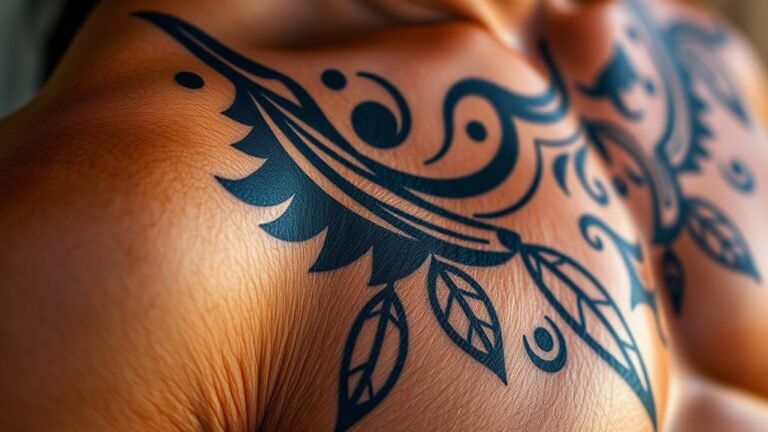
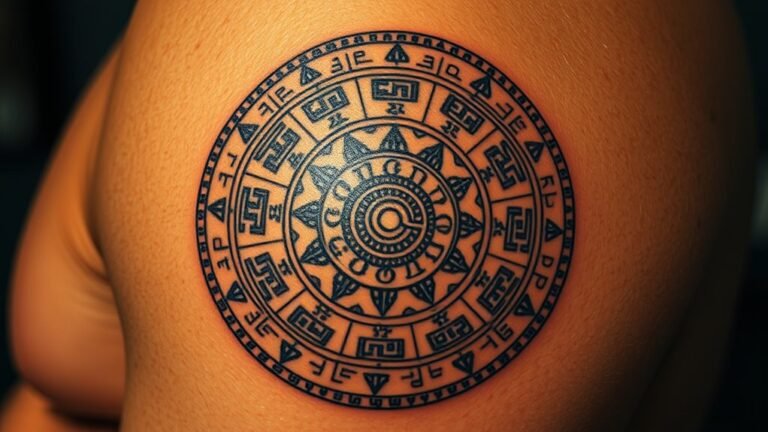
On the other hand, geometric patterns appeal to those who appreciate structure and balance. These designs can symbolize harmony and unity, often intertwining lines and shapes to create mesmerizing visuals.
Whether you lean towards the delicate elegance of flowers or the captivating allure of geometry, your choice reflects your individuality, inviting you to connect with a broader community of tattoo enthusiasts.
Cultural Perceptions and Stereotypes
Cultural perceptions and stereotypes surrounding tramp stamp tattoos often distort their true significance, leading to misunderstandings about those who choose them.
You might find that society often views these tattoos through a narrow lens, associating them with promiscuity or rebellion. Yet, these societal perceptions overlook the individuality and empowerment many people feel when expressing themselves through body art.
Each tattoo tells a story, reflecting personal beliefs, aesthetics, or moments of life. By embracing diversity in tattoo choices, you can challenge these cultural stereotypes and foster a more inclusive understanding of self-expression.
Personal Meanings Behind Tattoos
When you think about personal meanings behind tattoos, it's clear that each design often serves as a unique narrative. Your tattoo can encapsulate personal stories and individual significance that resonate deeply with you.
Here are some reasons why people choose their designs:
- Milestones: Commemorating significant life events, like graduations or births.
- Tributes: Honoring loved ones or friends who've impacted your life.
- Symbols of Strength: Representing resilience, overcoming challenges, or personal growth.
- Identity: Expressing your beliefs, passions, or cultural heritage.
Each tattoo embodies a story that connects you to your past, present, and future, weaving together a tapestry of your experiences and emotions.
This connection fosters a sense of belonging and authenticity in your journey.
Feminism and Body Autonomy
Feminism and body autonomy intersect in powerful ways, emphasizing the right to make choices about your own body without external pressure or judgment.
When you embrace body positivity, you celebrate your unique self, rejecting societal standards that often dictate what's "acceptable."
Choosing a tramp stamp tattoo can be an act of feminist empowerment, allowing you to reclaim your body and express your identity on your own terms.
It's a statement that your body is yours to decorate, love, and showcase, free from stigma.
By embracing your choices and the stories behind them, you foster a sense of belonging within a community that values individual expression.
Ultimately, it's about owning your narrative and celebrating every beautiful aspect of who you are.
Changing Trends in Tattooing
As tattooing evolves, you'll notice a shift in how people view and choose their body art, reflecting broader societal changes and individual values.
Today, trends embrace unique expressions, often highlighting personal stories. Here are some notable shifts:
- Minimalist Tattoos: Simple designs resonate deeply, focusing on meaning over size.
- Tattoo Technology: Advancements make getting inked safer and more precise, enhancing creativity.
- Cultural Symbolism: People seek tattoos that connect them to their heritage, fostering a sense of belonging.
- Gender Neutrality: Tattoos now break traditional gender norms, empowering everyone to express themselves freely.
These trends show that your tattoo choice can be a vibrant reflection of who you're while aligning with the values of your community.
Popularity Across Different Demographics
Although tattooing has become a universal form of self-expression, its popularity varies significantly across different demographics, reflecting unique cultural backgrounds and personal narratives.
In youth culture, tramp stamps have often emerged as symbols of rebellion and freedom, allowing young women to assert their individuality.
Meanwhile, gender differences play a crucial role; while women may embrace these designs as a celebration of sexuality and empowerment, men might view them through a lens of judgment or misunderstanding.
As societal norms evolve, you'll find that these tattoos can foster a sense of belonging among those who share similar stories.
Ultimately, the tramp stamp serves as a canvas for personal expression, capturing the essence of diverse experiences and shifting perceptions across generations.
Tips for Choosing a Design
Choosing a design for your tramp stamp tattoo can be an exciting yet daunting task, especially given the plethora of styles and meanings available.
To help you navigate this journey, consider these tips for design inspiration and color choices:
- Personal Significance: Choose symbols or motifs that resonate with your life story or values.
- Style Exploration: Research different styles—tribal, floral, or geometric—to find what speaks to you.
- Color Psychology: Think about the emotions different colors evoke; vibrant hues can convey joy, while softer tones might express calmness.
- Placement Impact: Visualize how the design will flow with your body; consider how it interacts with your curves and lines.
Embrace this process, and you'll find a design that feels like a true expression of who you are.
Frequently Asked Questions
Are Tramp Stamps Considered Offensive by Some Individuals?
Some folks do find tramp stamps offensive, linking them to cultural appropriation and stereotypes. However, for you, it's personal expression; it's a way to showcase your identity, and that should always matter most.
What Body Placements Are Considered Traditional for Tramp Stamps?
When you think about traditional body placements, the lower back stands out in tattoo culture. It's a canvas that reflects personal stories, often chosen for its visibility and allure, connecting you to a vibrant community.
How Has the Perception of Tramp Stamps Evolved Over Time?
You've probably noticed how cultural perceptions of tattoos shift, right? Trends evolve, transforming what was once stigmatized into a celebrated form of self-expression. Embrace the journey, as tattoos gain deeper meaning and connection in today's society.
What Are Common Misconceptions About Tramp Stamp Tattoos?
You might think tramp stamps reflect cultural stereotypes or lack of artistry, but many tattoos showcase personal stories and skilled tattoo artistry. It's essential to appreciate the individuality behind each design instead of judging based on misconceptions.
Can Tramp Stamps Have Positive Meanings for Some Women?
Absolutely! For some women, these tattoos symbolize empowerment and personal expression. They embrace their bodies, celebrate individuality, and challenge stereotypes, creating a sense of belonging to a community that values confidence and self-acceptance.