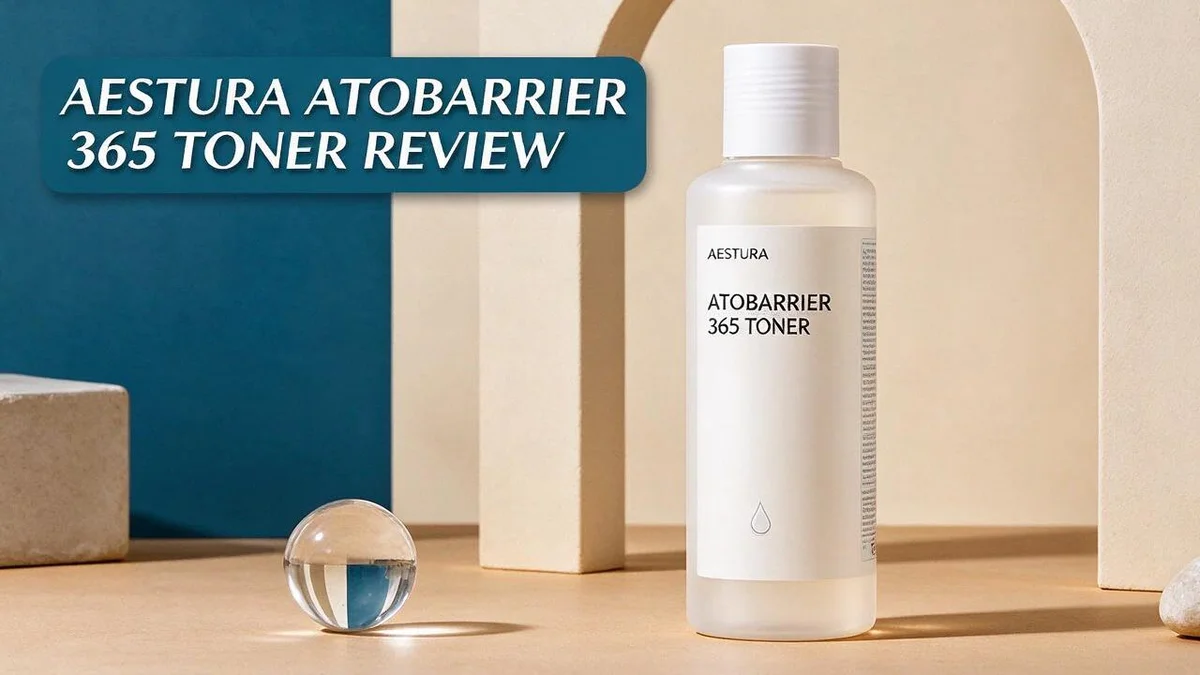
Aestura Atobarrier 365 Toner Review: The Ultimate Guide
Dry skin can feel tight, rough, and uncomfortable by midday. Sensitive skin can react to products that seem harmless. If your skin feels this way, you may be searching for a gentle toner that actually works.
That is where the Aestura Atobarrier 365 Toner comes in. This toner comes from a Korean skincare brand known for formulas that support the skin barrier. It aims to soothe, hydrate, and prepare your skin for the next steps in your routine.
In this review, you will learn how it feels on the skin. You will also see how it fits into daily use. We look at texture, hydration, and how well it suits dry or easily irritated skin.
Ready to see if this toner deserves a spot on your shelf? Keep reading for a clear, honest breakdown.
In a Nutshell
- Best for dry and dull skin: This toner gives your face a soft, fresh base. It suits people who need extra comfort between their other products.
- Easy to layer: You can apply it before serums and moisturizers. A short wait lets each step sink in well.
- Simple daily routine: Pat a small amount onto clean skin each morning and night. Your routine stays quick, even on busy days.
- Smooth feel on the face: The texture spreads without tugging. It does not leave a sticky film behind.
- Good for sensitive skin: Many people find it calming. A quick patch test on your jawline helps you confirm it works for you.
- Final verdict: It fits anyone who wants steady hydration and a comfortable finish. Read on to see how it performs in real use.
Key Ingredients
Ingredients matter more than most people realize. A toner should do more than feel nice on the skin. The right formula supports the barrier from within.
The main focus here is on ceramides. Ceramides are natural lipids that sit between skin cells. They work like mortar that holds the outer layer together. When this layer weakens, moisture escapes and skin feels thirsty.
The formula also includes humectants. Humectants draw water into the upper layers of skin. Think of them as tiny sponges that keep moisture close. This pairing helps the toner feel light yet hydrating.
Soothing ingredients add another layer of support. They can ease the tight feeling that follows cleansing. These ingredients suit many skin types because they focus on comfort rather than heavy coverage.
Some people ask whether a toner can really help the barrier. The honest answer depends on consistency. Ingredients work best when you use them every day. Short bursts of care rarely deliver lasting results.
Layering also changes how ingredients perform. A toner prepares the skin to absorb later products. The humectants can pull water in before a moisturizer seals it.
Reading the label helps you choose wisely. Look for ceramides near the top of the list. Watch for strong fragrances or alcohol if your skin reacts easily.
A patch test on a small area is always a smart first step. It shows how your skin responds before full use.
Dry and dull skin often lacks both water and lipids. This formula addresses both needs in one step. That balance makes it a practical choice for daily use.
Texture and Application
The texture feels light and watery in your palm. It does not look thick or heavy in the bottle. Many toners feel sticky, but this one stays clear and easy to handle.
Start by warming a few drops between your palms. This small step helps the liquid spread more evenly. Cold product can feel harsh on the skin, so warming it first makes a real difference.
Use your hands instead of a cotton pad. Cotton pads can soak up a lot of the liquid. Your palms also let you press the toner into the skin with gentle pressure.
Press, do not swipe. Pressing the toner in helps your skin take in the moisture. Pat along your cheeks, forehead, and chin. Finish with a few taps near the jawline, where dryness often hides.
Give the toner about thirty seconds to sink in. The surface dries quickly and does not leave a film. This means you can move on to your next step without waiting too long.
Makeup sits well on top. Foundation and tinted moisturizer glide over the skin. The toner leaves no heavy layer that could cause patches or flaking later in the day.
On very dry winter days, try a second light layer. Wait a moment between coats. Two thin layers often feel better than one heavy application.
Clean your hands before you dip into the bottle. Clean fingers keep the formula fresh. Store it away from heat and direct sunlight, too.
Application speed matters, too. Morning routines often feel rushed. This toner needs only a few seconds of pressing, so it fits into a busy schedule.
Check how the skin feels after each use. If it still feels tacky after a minute, use less next time. Keep it simple and steady.
Wipe any extra toner from your fingers onto your neck. This finishes the routine and stops product from going to waste.
Skin Types and Suitability
Oily and combination skin may also find a place for this toner. Many people with combination skin have dry cheeks and a shiny forehead. They can apply it only to the drier areas or use it all over if the skin still feels tight.
Normal skin usually handles this toner with ease. It works as a simple step that keeps the complexion balanced. People with normal skin can use it as a quick hydration boost on busy days.
Mature skin often loses moisture over the years. Fine lines can look more visible when the skin feels thirsty. Adding this toner before a cream may help the complexion look smoother and more even.
Acne-prone skin needs extra care with any new product. Check the full ingredient list first. If breakouts or irritation appear, stop using the toner and wait for your skin to settle.
Redness-prone skin needs gentle handling. Some people notice a calmer look after a light toner. Still, flare-ups can happen, so talk with a dermatologist before adding anything new to a sensitive routine.
Active treatments change the rules. Retinoids, exfoliating acids, and vitamin C can cause dryness or stinging. This toner may ease that tightness when used between steps. Spacing out strong actives matters even more, so keep those steps separate.
Climate also plays a role. Cold, windy, or heated rooms pull water from the skin faster. People who live in these settings may want to use the toner more often during those months.
Quick check before you buy: Ask yourself a few simple questions. Does your skin feel tight after cleansing? Does your skin handle new products well? Can you commit to a daily routine? If you answer yes, this toner is worth a closer look.
Top 3 Alternatives
Looking for a different toner? These three options make a great starting point. Each one offers gentle care for everyday skin.
CeraVe Hydrating Toner
This toner adds moisture to your skin. It contains hyaluronic acid, which pulls water into the top layers of skin. Your skin feels soft and calm after each use. It suits dry or tight skin well. It also has no fragrance, so people with sensitive skin often feel comfortable using it.
Klairs Supple Preparation Toner
This toner comes from a brand known for simple, gentle formulas. It has a light, watery feel that sinks in fast. It keeps skin hydrated and fresh all day long. It is a good pick if your skin feels thirsty or rough. It also works nicely as a first step before serums or creams.
Purito Centella Unscented Toner
This toner uses centella asiatica, a plant that many people trust for calm skin. It has no added scent, which makes it a good choice for reactive skin. Your skin may feel cool and comforted after a few gentle taps. The texture feels light, so it layers well under other products. Use it morning and night for best results.
Try each option and see which one feels best on your skin. Your skin type and daily routine will guide your choice in the end.
Results and Effectiveness
Most people notice small changes first. The skin may feel less tight after a few days. That early feeling is a good sign, but it is only the start.
Results build over time. Many users give the toner two to four weeks of steady use before they judge it. Consistency matters more than speed here.
Keep a simple notes list. Write down how the skin looks each morning. Note any flaky patches, rough spots, or dull areas. Over a few weeks, these notes reveal real patterns.
Photos help too. Take one selfie each week in the same spot and the same light. Side by side, the changes often look clearer than memory suggests.
Track your progress with a short checklist. Rate dryness, comfort, and glow from one to five each week. Numbers make it easier to spot progress than guessing does.
Watch for a softer look around the cheeks and nose. Some people see a smoother surface that reflects light more evenly. Fine lines may also look less obvious by late afternoon.
Be realistic about what you can expect. This toner supports the skin. It does not erase deep lines or treat a medical condition. A dermatologist can help with those concerns.
Pay attention to the moment the skin stops feeling thirsty. Many people report that feeling after the first few uses. Others notice it only after several weeks, so patience pays off.
Signs of progress include fewer dry patches and less flaking around the nose. The skin may also bounce back faster after a long day. These small clues matter more than one dramatic change.
If nothing changes after four weeks, stop and reassess. Your skin may need a different balance of care. Check your daily habits too, like sleep and water intake. A simple routine change can make a big difference.
Packaging and Value
Packaging shapes your daily routine more than most people expect. A bottle that opens and closes with ease saves time in the morning.
Look at how the liquid comes out. Some toners use a dropper, while others use a flip cap or a wide opening. Each style changes how much product you pour.
A lighter bottle is easier to carry. If you travel often, check the size and weight before you pack it.
Sealed caps protect the formula. Air and light can weaken some ingredients over time. A tight lid keeps the liquid fresh for longer.
Dark or opaque bottles block light. Clear bottles let you see how much liquid remains. Both designs have clear strengths.
Measure how fast the bottle empties. Track your first month of use with a simple note. This shows how long one bottle will last in your routine.
Think about your storage space. Tall, narrow bottles fit neatly in small cabinets. Wide bottles sit well on a counter and feel stable.
Notice how the bottle feels in your hand. A firm grip helps you avoid spills during a busy morning.
Read the label before opening. Look for the ingredient list, the batch code, and an open after symbol. These details help you judge freshness.
Check for a tamper seal. A clear seal shows that nobody opened the bottle before you. This small detail gives peace of mind.
Pay attention to the nozzle. A clean nozzle helps keep the bottle hygienic. Wipe the tip gently after each use.
Keep the box for reference. The outer box often holds directions and useful details. Store it nearby until the bottle is empty.
Recycle the bottle when you finish. Glass and simple plastics are easier to recycle than mixed materials. Check your local rules for the right bin.
Good packaging supports a steady routine. It keeps the toner safe, easy to use, and simple to store. Use the packaging to get the most from every bottle.
Pros and Cons
Pros
- It feels gentle on sensitive skin that reacts easily.
- The light texture sinks in quickly without a heavy film.
- It works as a calm first step after cleansing.
- It layers well under serums and moisturizers.
- Many people find it easy to fit into a simple daily routine.
Cons
- The texture may feel too thin for people who like rich, creamy toners.
- Results can vary from one person to another.
- It does not replace sunscreen or a full moisturizer.
- Very oily skin may need a lighter option.
Who Should Buy It
Some readers may find this toner a helpful daily pick. It suits people who spend long hours in air conditioned offices. Indoor air often feels dry, so the skin may need extra moisture during the workday.
Makeup lovers also have a good reason to take a closer look. A light toner can help foundation sit more evenly. Clean, hydrated skin gives makeup a smoother base that lasts through the day.
Beginners who feel lost in crowded skincare aisles may enjoy a simple option. Fewer steps often mean less confusion. This toner can serve as one easy action in a short routine.
People with combination skin may also find it useful. Dry cheeks can feel comfortable while the T zone stays calm. Every face responds in its own way, so a short trial works well.
Busy readers who love quick routines will appreciate how little time it takes. Pat it on, wait a moment, and move on with the day. Simple habits are easier to keep over time. Many people stick with products that fit their schedule.
Some shoppers should look elsewhere. This toner works best as everyday support, not a treatment. Anyone seeking a targeted fix for acne or deep lines should speak with a dermatologist first.
Gift shoppers may also consider this option. A toner makes a thoughtful present for friends who already enjoy simple skincare. Pick it when the recipient uses a basic routine.
Read the label carefully before buying for someone else. Allergies and skin concerns vary, so a quick check protects the person receiving it.
Think about your daily habits before you decide. Your lifestyle and skin goals shape the best choice. Write down your top goal in one sentence, and that simple step helps you know if this toner fits your routine.
Final Verdict
Here is the bottom line. This toner earns a place in your routine when your goals match its strengths. It is not a miracle product, and it does not claim to be one. Honest expectations lead to happier results.
Your local climate matters more than many people realize. Dry winters, heated rooms, and air conditioned offices can change how your skin feels from day to day. A toner that works in humid summers may need backup when the air turns harsh.
Patch testing comes first. Apply a small amount to the jawline or behind the ear for three to five days. This quick check shows how your skin reacts before you use it across your face and neck.
Ingredient lists deserve a careful look too. Compare them with the products already on your shelf. Overlapping active ingredients can cause irritation, so a simpler setup often works better for most people.
Reviews from other buyers can offer helpful clues. Focus on comments from people with skin similar to yours. Skip the extreme praise and the harsh complaints that lack clear details, since both can feel misleading.
Your expectations shape your satisfaction. A toner prepares skin for the steps that follow. It rarely delivers dramatic change on its own, so keep your goals realistic and you will feel more pleased with the outcome.
Pay attention to how your skin looks in the morning. Notice whether makeup sits smoothly or starts to pill. Small everyday changes often reveal more than a single glance in the mirror.
Try to test one change at a time. If you switch toner and cleanser together, you will not know which one made the difference. Single changes make results easier to read.
In short, Aestura Atobarrier 365 suits people who want a simple and comfortable toner. It fits best in a calm, steady routine. If you crave bold results, a stronger treatment may serve you better.
Frequently Asked Questions
Can I use this toner morning and night?
Yes, many people use it twice a day. Start with one daily use so you can see how your skin responds. Add a second use later if your skin feels comfortable.
Should I apply it with my hands or a cotton pad?
Clean hands work well for most people. Pressing the liquid into skin with your palms can feel calming. A cotton pad helps if you want to keep your fingers away from your face, but it uses up more product.
How should I store it for travel?
Pour a small amount into a clean travel bottle for short trips. Keep the original bottle tightly capped. Pack it upright so the cap stays secure in your bag.
How should I store it at home?
Keep the cap closed and place the bottle away from direct sunlight and heat. A bathroom shelf away from the shower works well. Heat can change the feel of a liquid over time.
What should I do if my skin stings?
Stop using the toner and rinse your face with plain water. Wait until your skin feels calm before you try again. If the irritation lasts, contact a doctor or dermatologist for advice.

As a fashion trend expert with a passion for self-expression and body art, I’ve built a reputation as a trusted source for inspiration and advice on fashion trends and tattoo designs. With a background in fashion, I’ve worked with various fashion brands and designers, and have written for several fashion publications. I’m excited to share my knowledge and expertise with you through my blog, Inner Beauty Blog, where I showcase a wide range of tattoo designs and share my thoughts on the latest fashion trends.